The Assetizer · 12 March 2024
The Role of Assetization in Finance: Insights from the Web3 Banking Symposium
GenTwo's Pablo Jódar recently appeared on a panel discussion to talk about Assetization, Web3 and the institutional adoption of crypto.
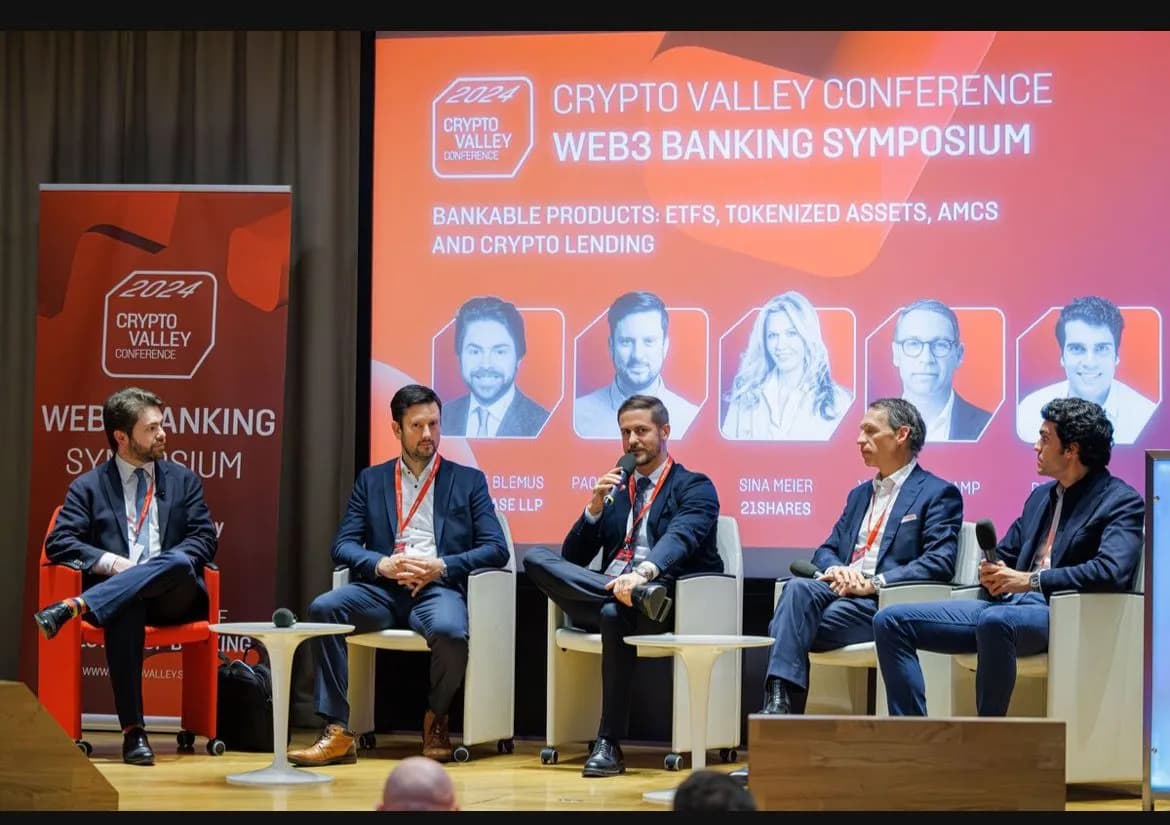
On March 6, 2024, the Web3 Banking Symposium was held in Geneva. Organized by the Crypto Valley Association, the event attracted wide range of crypto and Fintech experts to discuss the future of finance through blockchain adoption.
Among the speakers was Pablo Jódar Seores from GenTwo, who participated in a panel discussion on bankable products, including ETFs, tokenized assets and crypto lending.

On Assetization
In his part of the discussion, Jódar focused on Assetization. As he explained, GenTwo’s Assetization process – the word is a combination of the words "asset" and "democratization" – is aimed at unlocking trillions of dollars in untapped value by making a wide range of assets investible.
This includes not just financial products but also non-bankable assets. As such, it democratizes investment opportunities and is already providing many investors access to assets that they could not access before.
Jódar also explained that, while Assetization is similar to tokenization in some respects, it really is a broader concept. Tokenization, for instance, operates within the blockchain ecosystem. Assetization leverages the broader banking and financial networks, which are significantly larger and more established than the blockchain infrastructure. That said, tokenization is an extremely important development in financial services, and is likely to become one of the most important vehicles for Assetization.

The road to institutional adoption
Other highlights of the panel discussion included:
- Tokenization. To foster mass adoption of tokenization, panellists said it was necessary to adjust the current financial infrastructure, such as trading venues and banks.
- The effect of Bitcoin ETFs on the institutional crypto market. The recent launch of Bitcoin ETFs is a sign of institutional investors' growing comfort with investing in digital assets through familiar securities. This development is crucial as substantial capital remains within traditional banking systems. That said, SDX has already tokenized several projects in their exchange and professional investors can already invest in these securities.
- Switzerland. Panellists highlighted Switzerland's regulatory environment as an example of effective legislation that recognizes digital assets.
- Market consolidation and legitimization. The fragmentation of the tokenization market was identified as a challenge needing consolidation to unite liquidity. Jódar mentioned that having ETFs trading in the US helps legitimize Bitcoin as an investable asset. SDX's successful tokenization projects indicate that professional investors are already engaging with these new forms of securities.
Along with Jódar, the panel featured representatives from SDX, 21Shares, AMINA bank, and White & Case.
For more, see: